
About PromPrint
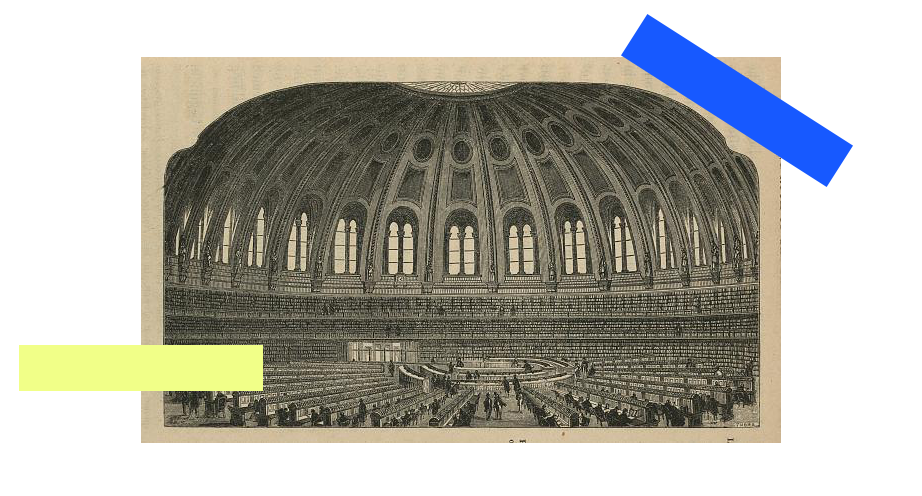
PromPrint is a research project funded by the European Research Council, running from 2025 to 2030.
Legal deposit is a vital institution for preserving literary heritage. A select group of libraries indefinitely preserves a copy of every text printed in a given nation. Deposit is well established—first implemented in UK libraries in the sixteenth century—and widespread; more than sixty countries now employ similar practices.
All the same, the practicalities of storing and cataloguing so many texts, as well as cultural biases around which printed texts have value, mean that deposit libraries haven’t always preserved everything they could have. These absent texts are a shadow of the literary canon, encompassing everything from almanacs and joke books to guides on fly fishing, as well as renowned novels and paper ephemera such as blacking labels.
Together, our team is using digital tools and quantitative analyses to work out which texts deposit libraries left out, and how the features of these texts change over time. Although our focus is nineteenth-century England, Scotland, and Ireland, we’re creating tools and methods that researchers interested in other regions and periods can use to map their own literary heritage through deposit—and its absences.
At a moment of increasing threat to humanities institutions, PromPrint shows how even the most maligned printed texts—even the rejects—have the power to shape cultural knowledge.

Project Phases
In the project’s first phase, the team is working out what our case-study libraries didn’t preserve by comparing copyright library holdings with records of what these institutions were sent or eligible to be sent. We’re using various tools and resources to do this, including digitized and paper records of the Stationers’ Company, and library catalogues, meta-catalogues, and internal records, as well as AI-powered Handwritten Text Recognition (HTR) tools.
In the second phase, team members will look at the preservation of different types of works that might pose challenges to legal deposit. The three strands we’re examining are children’s literature (led by PI Hannah Field), colonial texts (led by postdoc Milan Terlunen), and publications classed as obscene (led by PhD researcher Lilly Wilcox).